
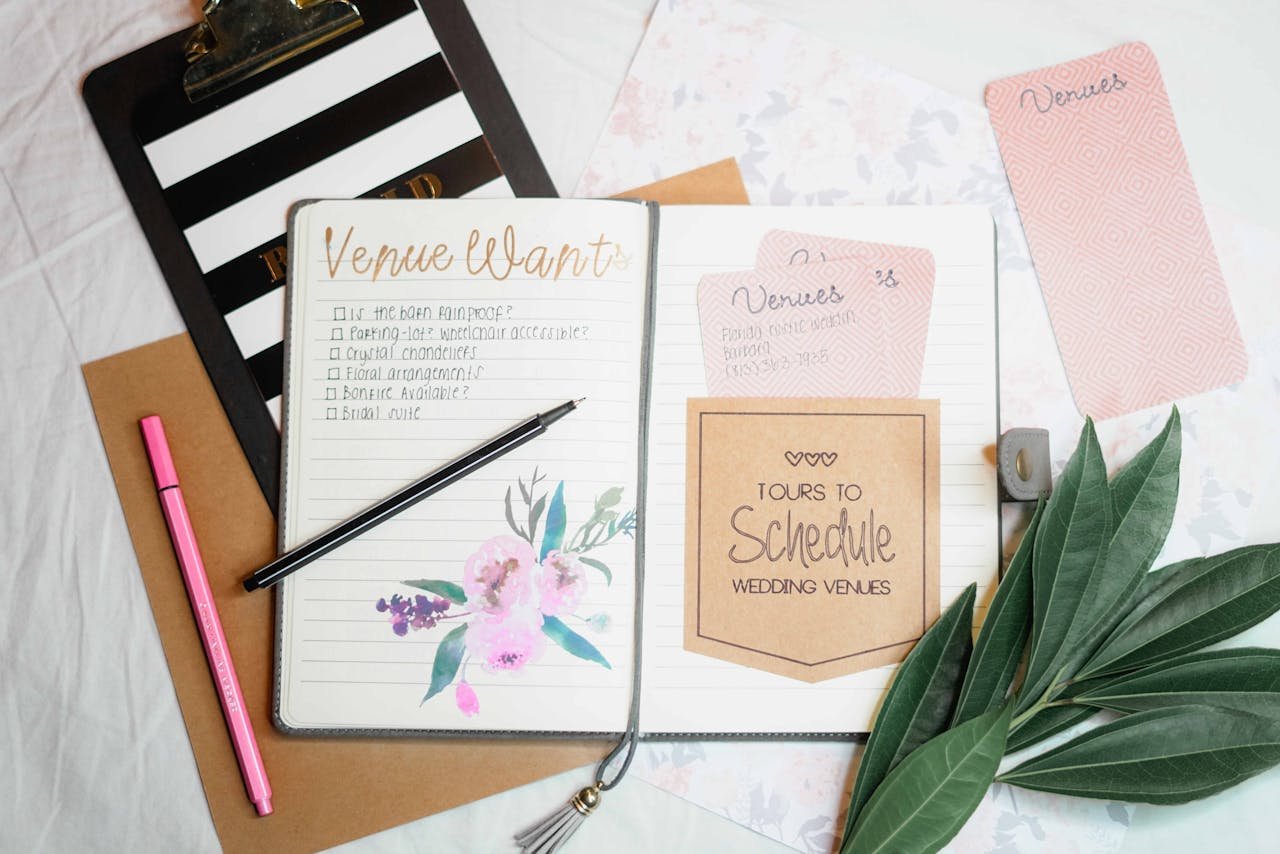
According to industry research, 85% of event professionals are optimistic about 2026, marking the highest optimism in five years. However, this enthusiasm is tempered by reality: two-thirds of planners report flat or reduced budgets, while meeting costs are expected to climb 5–7% annually. In this demanding landscape, a comprehensive checklist isn't just helpful—it's essential for transforming overwhelming complexity into controlled execution.
The 2026 Planning Reality Check
Event planning in 2026 operates under unprecedented pressure: 83% of events now have an in-person component, requiring meticulous logistics, while 66% of planners face flat or reduced budgets despite rising costs. This checklist incorporates peer-reviewed methodologies from leading event management research to help you navigate these challenges successfully.
Phase 1: Foundation & Strategy (6-12 Months Before)
Strategic Foundation Building
Major events like galas and fundraisers require planning to begin 6-12 months in advance. This phase establishes your event's DNA.
Start with the "why." Clarify your event's purpose—is it for brand awareness, lead generation, education, or celebration? Set SMART (Specific, Measurable, Achievable, Relevant, Time-bound) goals. For example: "Generate 200 qualified leads" or "Achieve 90% attendee satisfaction."
CRITICALDetermine if your event will be in-person, virtual, or hybrid. Research shows 37% of event budgets now go to hybrid events. Choose technology that supports your format—consider platforms that handle abstract management, program building, and delegate registration seamlessly.
CRITICALWith meeting costs rising 5-7% annually, detailed budgeting is essential. Include all categories: venue, catering, AV equipment, marketing, staffing, and always allocate 10-20% for unexpected expenses.
Form a committee with designated roles: event manager, program chair, marketing lead, logistics coordinator. Consider hiring a Professional Conference Organizer (PCO) for complex events—experienced PCOs handle crises professionally.
Research competing events, major holidays, academic calendars, and local happenings. For Cyprus events, consider weather patterns, tourist seasons, and cultural festivals that might affect attendance or vendor availability.
AI Integration Opportunity
39% of event teams now use AI for content creation. Consider AI tools for draft email campaigns, attendee segmentation, and schedule optimization. However, focus AI on back-end operations rather than attendee-facing applications, which have lower adoption rates.
"The check-the-box version of planning will die in 2026. This is the year of intentional gatherings where every element serves a strategic purpose. Attendees are voting with their feet—they expect experiences that respect their time, budget, and attention."
Phase 2: Development & Coordination (3-6 Months Before)
Operational Planning & Vendor Coordination
This phase transforms strategy into actionable plans with specific deadlines and responsibilities.
| Task Category | Specific Actions | Priority | 2026 Considerations |
|---|---|---|---|
| Venue & Logistics | Secure venue contract, review insurance requirements, assess accessibility needs, plan security arrangements | Critical | Consider hybrid capabilities, sustainability certifications, local Cyprus regulations |
| Speaker & Content Management | Finalize speakers, collect bios/photos, arrange travel, coordinate presentation requirements | Important | Focus on practitioner speakers (not just executives), include interactive formats |
| Sponsorship & Partnerships | Finalize sponsor levels, collect logos, develop activation plans, confirm promotional commitments | Important | Sponsors now expect value-add experiences, not just logo placement |
| Marketing & Promotion | Launch event website, begin social media campaigns, send save-the-dates, develop promotional materials | Important | Leverage AI for content creation (39% adoption rate) |
| Registration & Technology | Set up registration system, determine fees, enable online payments, test all technology platforms | Critical | Ensure GDPR compliance if handling EU citizen data |
Phase 3: Finalization & Promotion (1-3 Months Before)
Execution Preparation & Audience Engagement
Shift from planning to active promotion and detailed coordination as the event approaches.
Send regular email reminders, increase social media frequency, leverage speaker networks for promotion. Research shows attendees are registering later, so consistent communication is crucial.
Proofread all printed materials, finalize presentations, prepare scripts and cue sheets, create run-of-show documents. Ensure accessibility features like closed captions and high-contrast slides are implemented.
Confirm all vendor arrival times, finalize catering numbers, arrange transportation/parking, prepare venue diagrams and seating plans. For Cyprus events, consider local traffic patterns and tourist influx during your event dates.
Test all AV equipment, conduct platform tests for virtual components, run through presentations with speakers, verify internet connectivity (minimum 100mbps download/30mbps upload for hybrid events).
In 2026, events are increasingly experience-first. Plan interactive elements like build-your-own swag stations, VR experiences, give-back activities, or content creation studios that attendees will want to share on social media.
2026 Attendee Behavior Insights
Event satisfaction dropped 8% from 2024 to 2025 as events failed to adapt to changing attendee expectations. Today's attendees want:
- Shorter, deeper sessions instead of packed agendas
- Wellness-forward experiences with healthy options and outdoor opportunities
- Flexible schedules with choose-your-own-breakout structures
- Peer-to-peer learning from practitioners, not just executives

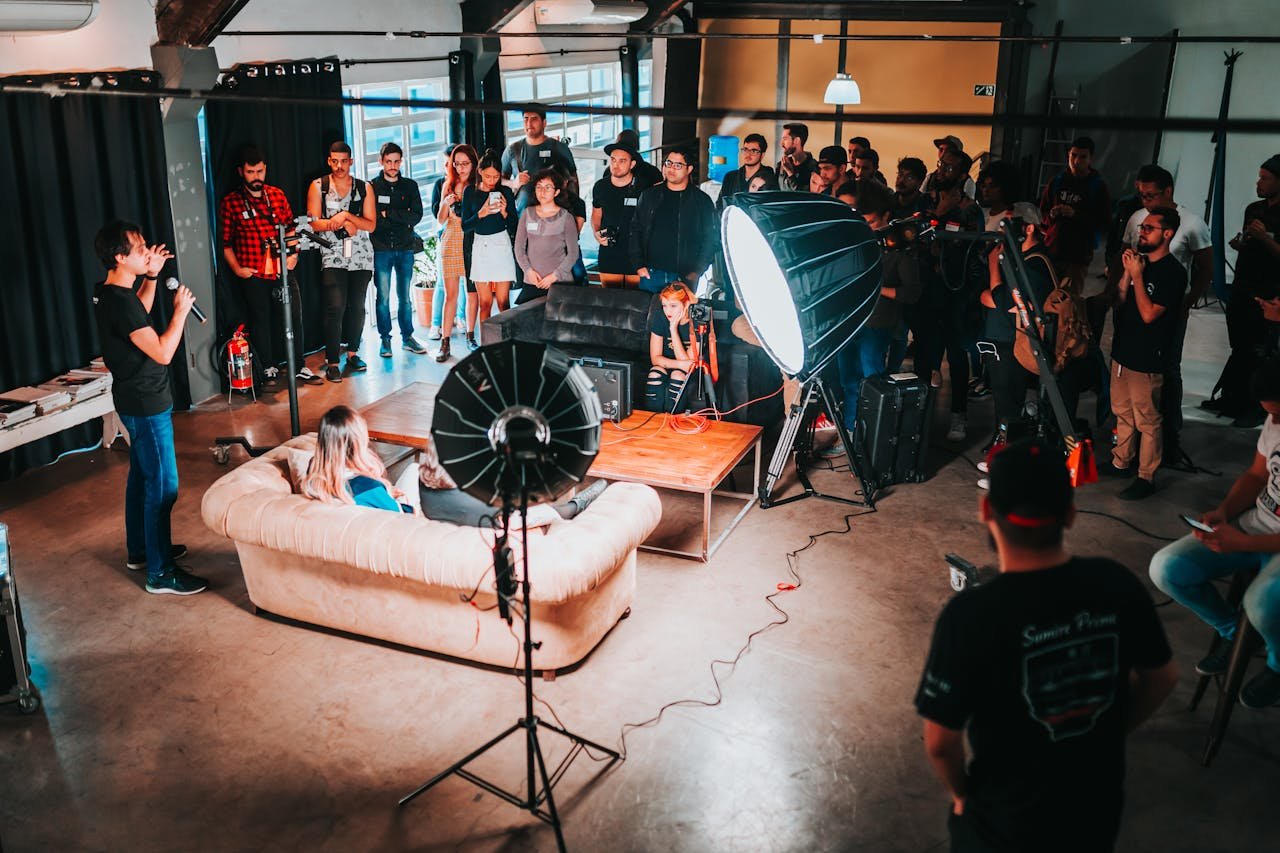
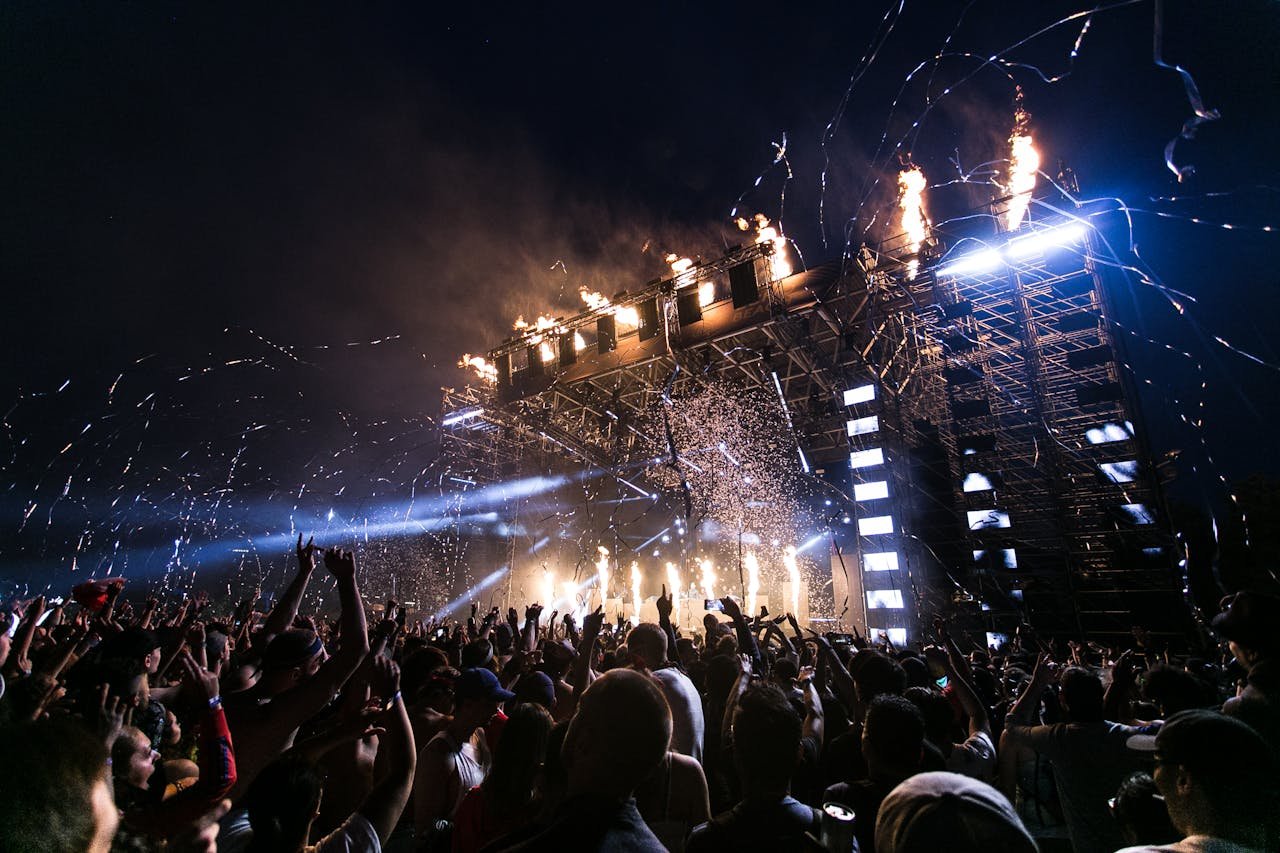
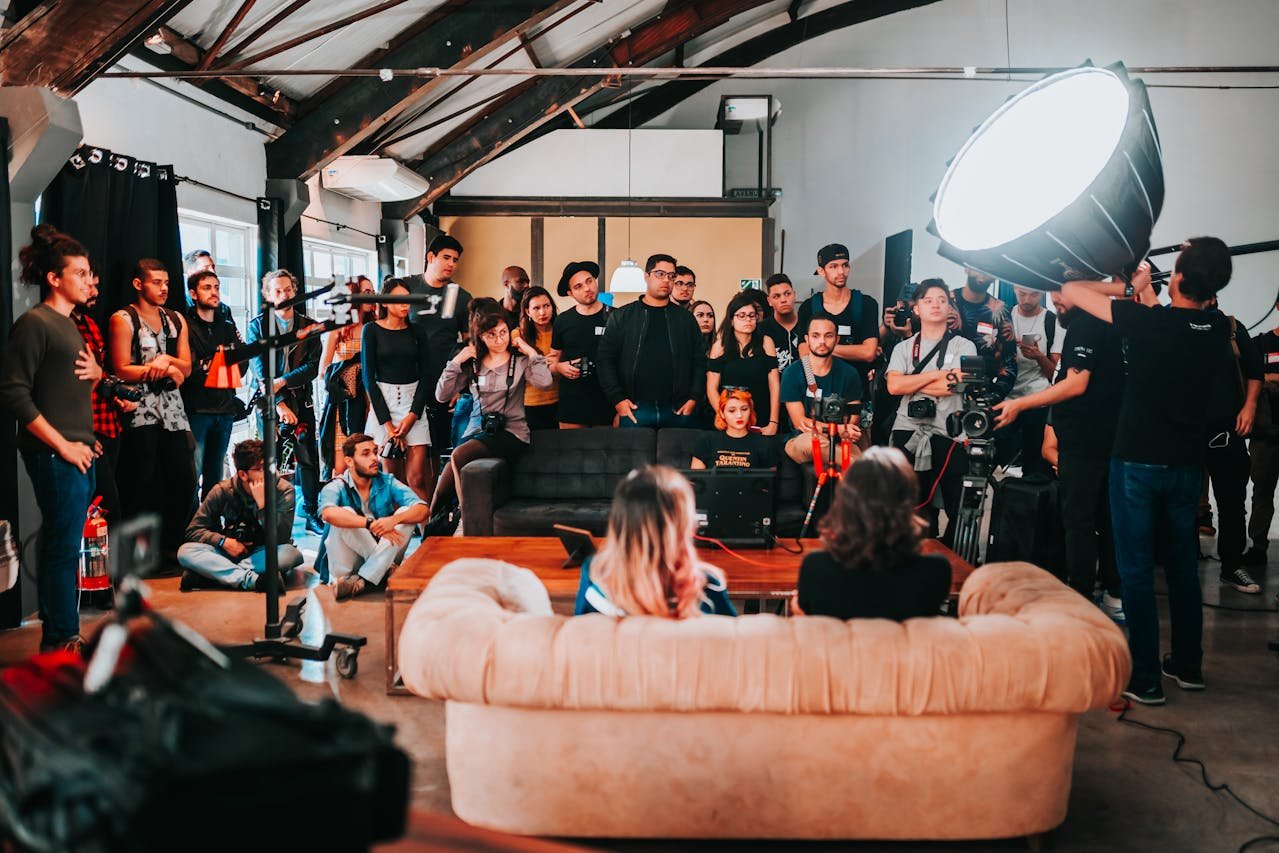
2026 events blend sophisticated technology with human-centric design for maximum engagement
Phase 4: Event Execution (1 Week Through Event Day)
Flawless Execution & Adaptability
The culmination of all planning efforts—focus shifts to delivery, problem-solving, and attendee experience.
Final Week Countdown Checklist
1 Week Before
- Hold final committee meeting to confirm all details
- Prepare backup plans for critical elements
- Finalize event script and schedule practice sessions
- Brief entire event team on roles and emergency protocols
- Provide final numbers to caterer and venue
1 Day Before
- Confirm media attendance and coordinate photo ops
- Ensure all signage is correctly placed at venue
- Stock registration tables with all necessary materials
- Verify all AV equipment and power sources are functional
- Check that promotional items and awards are on-site
Arrive early to review setup, conduct final team briefing, test all technology one last time, set up registration/check-in stations, greet early-arriving vendors and speakers.
CRITICALOpen registration on time, monitor schedule adherence, cue speakers and manage transitions, oversee catering service, handle unexpected issues immediately, ensure audience engagement through Q&A and interactive elements.
Make attendees feel welcome from arrival, assist sponsors and speakers as needed, monitor attendee energy and comfort levels, capture key moments (photos/video), facilitate networking opportunities.
Production Balance for 2026
"Technology is incredible, but the heart of a great event comes from pairing it with theatrical, human moments that spark connection". Balance impressive tech with emotional resonance through thoughtful seating, unexpected entrance experiences, or different room layouts for various sessions.
Phase 5: Post-Event Analysis & Optimization
Measurement, Feedback & Continuous Improvement
The event isn't complete until you've captured learnings and demonstrated ROI—critical for securing future budgets.
Send thank-you notes to speakers, sponsors, and key attendees. Settle any outstanding vendor payments. Conduct quick team debrief to capture initial impressions while fresh. Secure all equipment and materials.
Distribute post-event surveys to attendees. Analyze attendance and engagement data. Gather feedback from sponsors and exhibitors. Review social media mentions and sentiment.
Compare outcomes against original objectives and KPIs. Calculate ROI and budget variance analysis. Review what worked well and identify improvement areas. Prepare post-event report for stakeholders.
IMPORTANTShare event highlights through multiple channels. Repurpose content (recordings, presentations, insights). Nurture leads generated during event. Update database with new contacts and preferences.
Archive all event materials systematically. Document lessons learned for future planning. Update templates and checklists based on experience. Schedule planning for next iteration if applicable.
The EventLab Cyprus Advantage for 2026 Planning
Local Expertise for Global Standards
Planning events in Cyprus requires specific considerations that enhance this universal framework.
Seasonal Intelligence
Leverage Cyprus's climate with optimal outdoor event timing (April-June, September-October). Plan for summer heat mitigation strategies and understand seasonal vendor availability fluctuations.
Local Network Integration
Our established relationships with Cypriot venues, caterers, and technical providers secure better value and reliability. We understand local regulations, customs, and cultural nuances.
Cultural Authenticity
Incorporate authentic Cypriot elements—local cuisine, traditional entertainment, regional decor—that international attendees appreciate while supporting local businesses.
Destination Management
Advise on attendee travel logistics, accommodation options across price points, and pre/post-event activities that showcase Cyprus's unique attractions.
Your 2026 Planning Toolkit
Based on peer-reviewed methodologies and industry best practices, we recommend utilizing these structured frameworks alongside our checklist:
- The 5 C's Framework: Concept, Coordination, Control, Culmination, Closeout
- The 5 P's Strategy: Product, Price, Promotion, Place, People
- The 7 Stages Model: Research, Planning, Budgeting, Vendor Selection, Marketing, Execution, Evaluation
- Digital Templates: Utilize event planning, budget, timeline, and risk management templates for consistency
Ready to implement this peer-reviewed framework for your next event? Contact EventLab today for a personalized consultation on adapting this checklist to your specific 2026 event in Cyprus.



The peer-reviewed badge gives this checklist immediate credibility. As an academic conference organizer in Nicosia, I appreciate how it integrates the 12-14 month planning timeline with specific Cyprus considerations. The AI integration tips are particularly timely—we've started using AI for drafting call-for-papers announcements.
Alexandros Ioannou
January 26, 2026 at 9:15 am